Sophisticated Bathroom Tile Design Ideas: Engineering Aesthetic Excellence in 2026
Go beyond aesthetics with our 2026 guide to bathroom tile design ideas. Learn the engineering secrets to a flawless, long-lasting luxury bathroom installation.
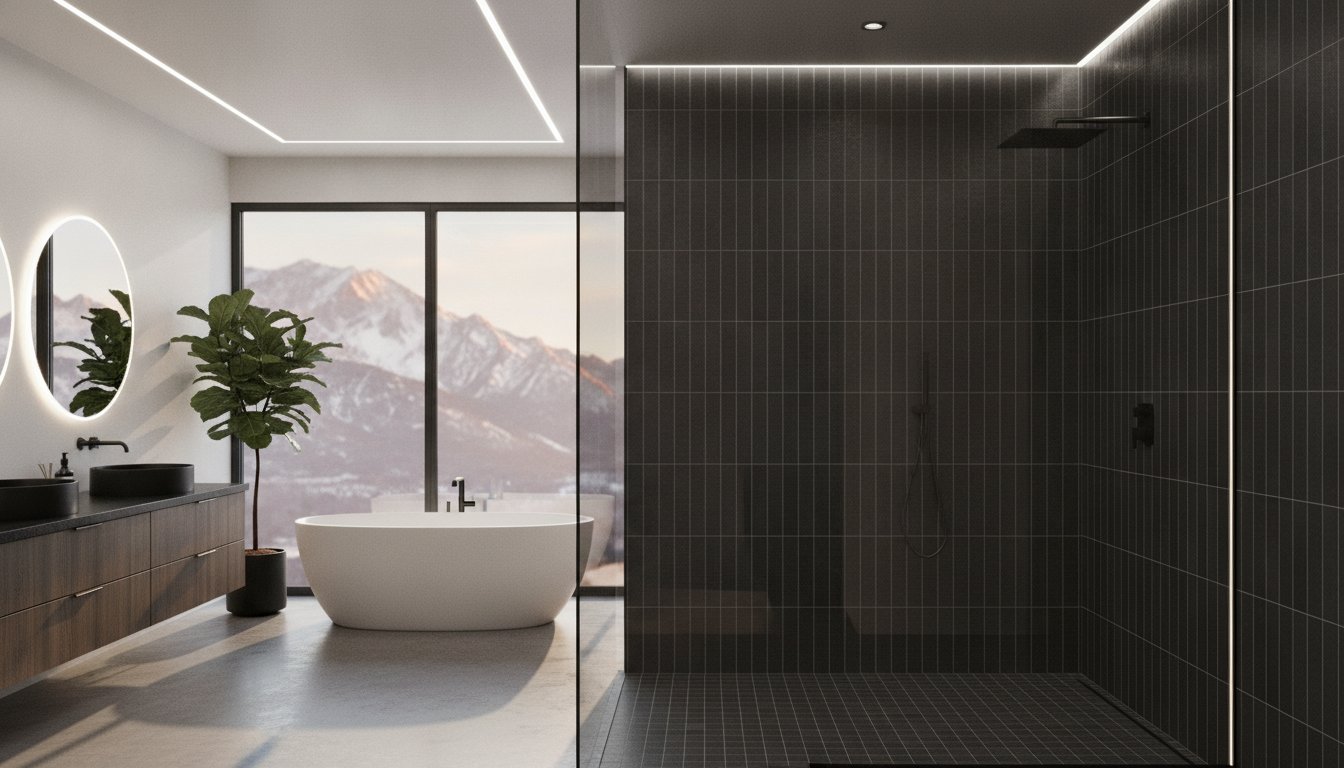
A bathroom's ultimate failure often begins not with the choice of tile but with the invisible compromise of its substructure. While aesthetic trends evolve, the physics of moisture management and structural load remain constant. High-end residential design demands more than a surface-level update; it requires a rigorous commitment to engineering integrity. You likely recognize that a premium space is defined by its longevity and the seamless execution of complex details. Selecting the right bathroom tile design ideas involves balancing these visual ambitions with the technical standards of a custom shower installation.
This article provides a curated strategy for harmonizing architectural precision with sophisticated aesthetics to create a masterclass in residential design. You'll gain the confidence to select materials that thrive in high-performance environments while avoiding the pitfalls of mass-market solutions. We'll examine the technical requirements for a premium finish, focusing on material performance and the precise assembly methods that ensure your investment remains flawless for decades. From stone integration to advanced waterproofing, this is how you engineer excellence in 2026.
Key Takeaways
- Learn why successful bathroom tile design ideas prioritize structural precision and moisture management over mere surface decoration.
- Evaluate the performance characteristics of natural stone against high-performance porcelain to select materials that withstand high-moisture environments.
- Master layout strategies like vertical stacking and the 'Seamless Flow' technique to manipulate spatial perception and architectural volume.
- Understand the critical role of epoxy grout and technical assembly standards in ensuring the longevity of a luxury custom shower.
- Discover the collaborative process required to integrate sophisticated tile work into a comprehensive residential remodel.
The Architecture of Bathroom Tile: Beyond Surface Aesthetics
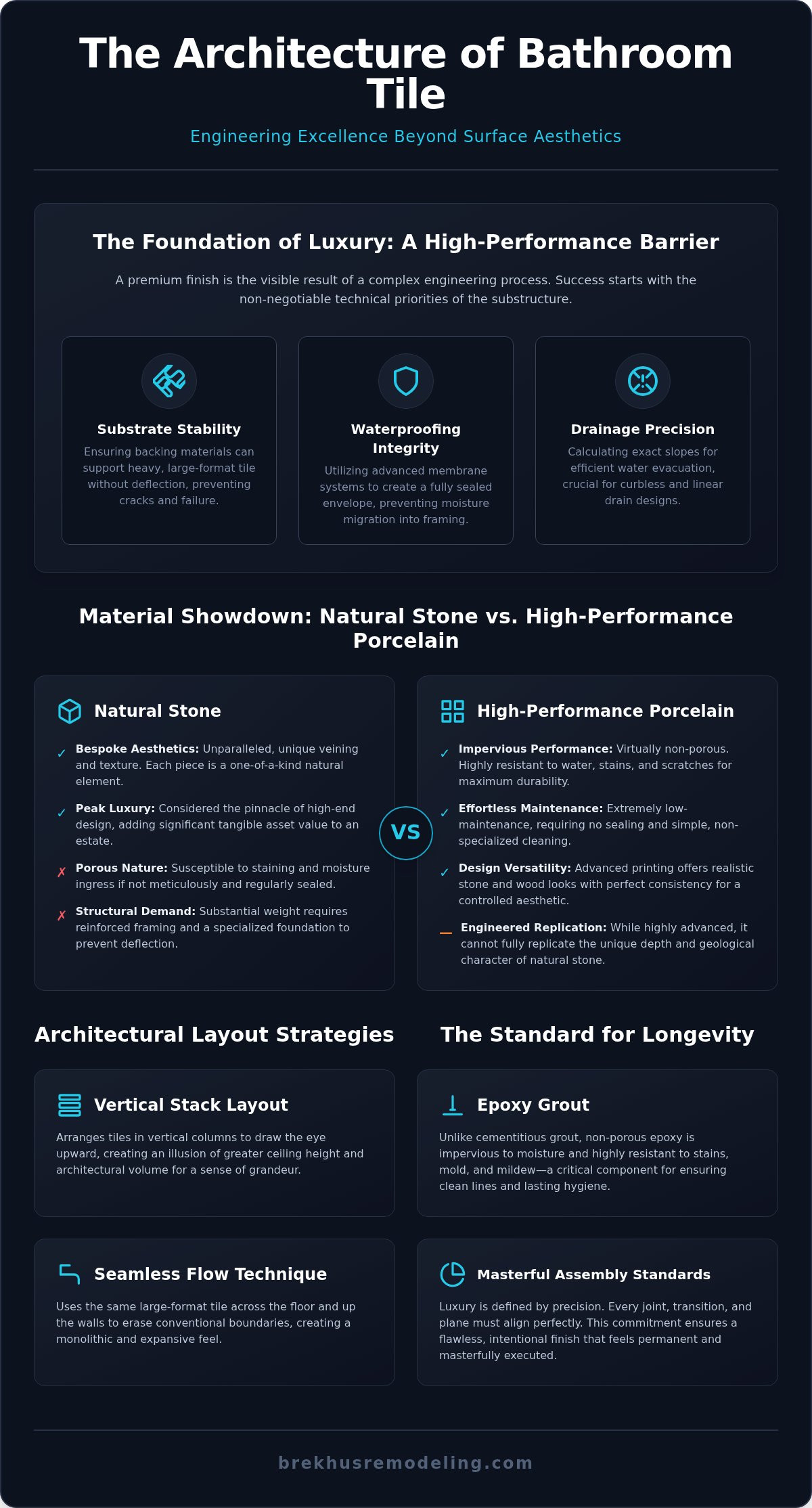
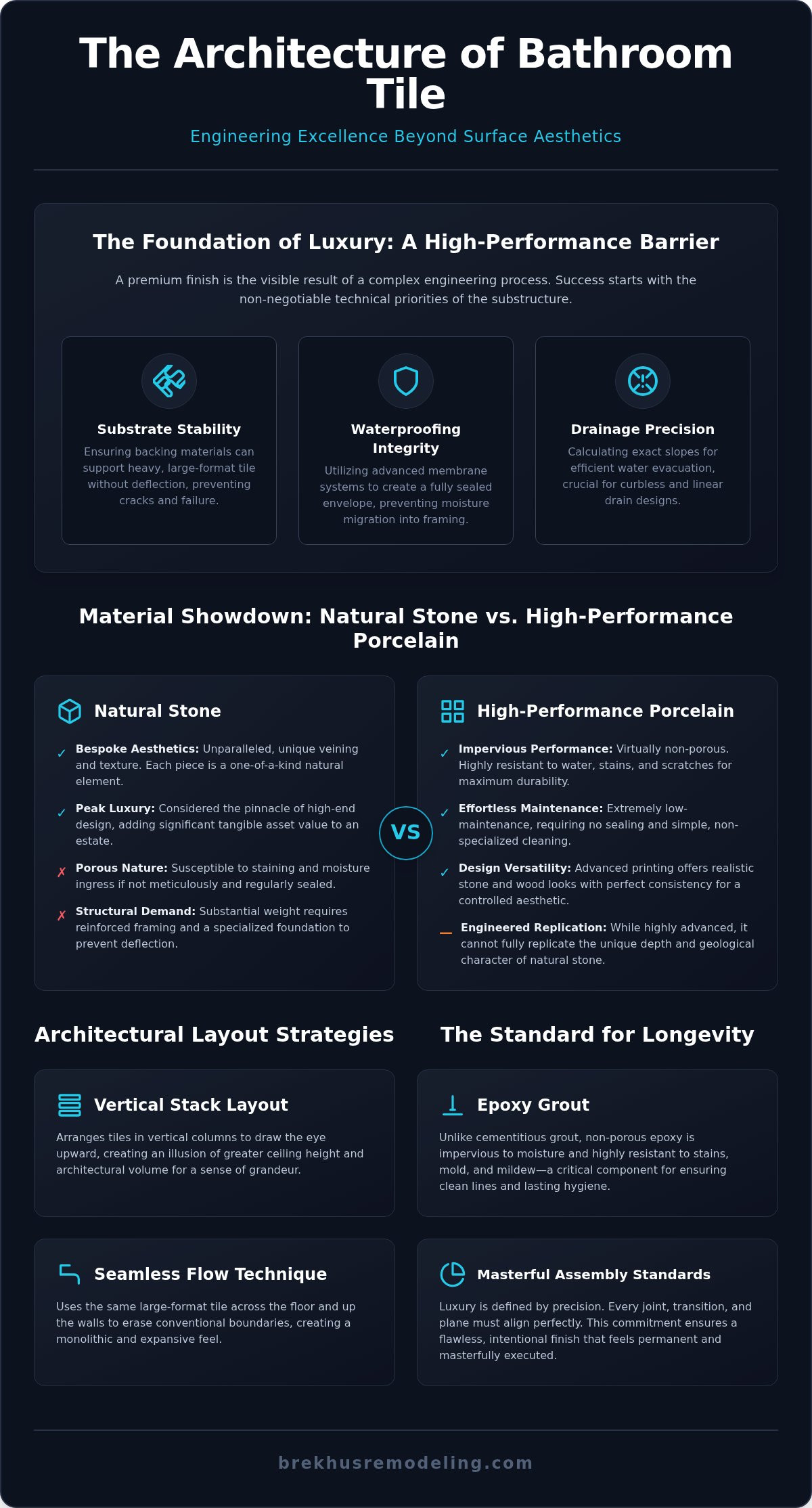
High-end residential design treats bathroom tile design ideas as a structural discipline rather than a cosmetic overlay. In a premium environment, the tile serves as the visible conclusion of a complex engineering process. Architectural precision is the non-negotiable prerequisite for this work. Without it, even the most expensive materials will fail to deliver a cohesive, high-end result. Every joint, transition, and plane must align with the underlying plumbing infrastructure and wall framing to ensure a finish that feels intentional and permanent.
Investing in superior tile work directly impacts the overall valuation of a residential estate. Appraisers and discerning buyers recognize the difference between a surface-level renovation and a masterfully executed build. A bathroom that maintains its structural integrity and aesthetic clarity for decades is a tangible asset, reflecting a commitment to quality that transcends temporary trends. The focus is on the "how" of the build, ensuring the assembly is as rugged as it is beautiful.
Tile as a High-Performance Barrier
The technical role of tile in moisture-heavy environments is primarily protective. It acts as a high-performance barrier that manages water shed and protects the building's envelope. Precision engineering in this context starts with the substrate. A flawless finish is impossible without a perfectly plumb and waterproofed foundation. Moving from standard residential applications to a custom shower installation requires a shift in mindset from decoration to assembly. Key technical priorities include:
- Substrate Stability: Ensuring the backing material can support the weight of large-format stone or tile without deflection.
- Waterproofing Integrity: Utilizing advanced membrane systems that prevent moisture migration into the framing.
- Drainage Precision: Calculating exact slopes for efficient water evacuation, particularly in curbless designs.
Defining the Luxury Design Standard in 2026
The luxury standard in 2026 has moved decisively toward timelessness. Homeowners are increasingly skeptical of mass-market trends that prioritize flash over substance. Instead, the focus is on how structural integrity outlasts aesthetic cycles. Achieving this balance requires a bathroom remodeling contractor who possesses technical mastery over both the materials and the mechanical systems behind them. When exploring sophisticated bathroom tile design ideas, the goal is to create a space that requires minimal intervention while maintaining a rigorous standard of professional excellence. This approach ensures that the visual impact of the room is supported by the peace of mind that comes from superior craftsmanship.
Material Selection: Evaluating Stone vs. High-Performance Porcelain
Selecting the right materials for a luxury environment requires a deep understanding of material science. The choice between natural stone and high-performance porcelain dictates the visual language of the space and its long-term maintenance profile. While aesthetics are paramount, technical attributes like porosity, density, and slip resistance must drive the decision-making process. For those pursuing sophisticated bathroom tile design ideas, the goal is to find a material that balances architectural ambition with the realities of a high-moisture environment.
The Art and Science of Stone Installation
Natural stone remains the pinnacle of bespoke bathroom design. Materials such as marble, granite, and quartzite offer unique veining and textures that engineered products cannot fully replicate. However, stone is inherently porous. This characteristic demands a rigorous approach to sealing and ongoing maintenance to prevent staining and moisture ingress. Because of the substantial weight of stone slabs, high-end bathroom fixtures require a stone-grade foundation that is reinforced to prevent deflection. A professional installation ensures that the substructure is as resilient as the stone itself, providing a stable platform for heavy stone elements.
Modern Porcelain and Ceramic Innovation
High-performance porcelain has evolved into a formidable alternative to natural stone. Modern manufacturing allows for the creation of large-format slabs that mimic the look of rare marble while offering superior durability and nearly zero porosity. These materials are particularly effective for custom shower floors where slip resistance is critical. When evaluating bathroom tile design ideas, consider that porcelain often provides a longer lifespan in high-use areas due to its resistance to chemical cleaners and physical wear. These engineered solutions complement high-end remodeling finishes by providing a consistent, predictable surface that facilitates precise grout lines and tight tolerances.
Large-format slab installations represent the cutting edge of residential design. These massive pieces minimize grout lines and create a seamless, monolithic appearance. Executing this look requires an expert stone installation specialist who understands the nuances of lippage control and thin-set mortar coverage. Whether you select the organic variation of stone or the engineered precision of porcelain, the success of the project relies on the caliber of the assembly. Consider the following technical factors during your selection:
- Dynamic Coefficient of Friction (DCOF): Ensuring floor tiles provide adequate traction in wet conditions.
- Water Absorption Rate: Selecting impervious materials for submerged or high-steam environments.
- Substrate Preparation: Verifying that walls and floors are perfectly level to accommodate oversized slabs.
A well-informed material choice is the first step toward a successful full remodel that stands the test of time.
Layout Strategies for Maximum Architectural Impact
Layout is the bridge between material selection and the final spatial experience. Sophisticated bathroom tile design ideas leverage geometry to alter the perception of volume and light. Vertical stacking creates a sense of soaring height, while a traditional horizontal offset emphasizes the breadth of a room. In expansive master suites, these choices aren't merely decorative; they define the architectural character of the space. Monochromatic schemes further refine this impact by using texture rather than color to create depth. A mix of matte, honed, and polished finishes in the same hue provides a tactile richness that feels intentional and layered. This approach allows the architecture to speak through subtle variations in light reflection.
Integrating mosaic accents requires careful planning to maintain structural continuity. These smaller elements must be recessed or padded out to ensure the finished surface remains flush with adjacent large-format tiles. This prevents lippage and maintains the clean lines required for a premium result. Every transition between tile sizes is a potential point of failure if not engineered for a perfectly flat plane. Professional layout planning accounts for these thickness variations before the first tile is set.
Engineering the Curbless Shower Experience
The curbless or 'zero-entry' shower is a hallmark of modern architectural luxury. Achieving this look requires precise floor-to-ceiling tiling and a complex technical layout. The floor must be recessed or the subfloor modified to allow for a continuous slope toward a linear drain. This ensures efficient water evacuation without the need for a physical threshold. Such a layout directly influences the upgrading of plumbing and electrical systems, as drain placement and heating elements must be coordinated during the early framing stages. Large-format tiles are preferred here to minimize grout lines, creating a 'Seamless Flow' that expands the visual floor area.
Advanced Patterning: Herringbone, Chevron, and Beyond
Complex geometric layouts like Herringbone and Chevron demand a higher level of mathematical precision. Every cut must be calculated to ensure the pattern remains centered and symmetrical across the entire plane. This rigor is essential for maintaining a near-seamless aesthetic where the grout lines are secondary to the rhythm of the tile itself. In large master bathrooms, these patterns can be used strategically to define specific zones, such as the vanity area or a freestanding tub nook, without the need for physical partitions. It's a method of organizing space through visual logic, ensuring that the bathroom tile design ideas contribute to a cohesive and disciplined environment. The result is a masterclass in residential planning.
The Technical Execution: Establishing the 'Brekhus' Standard
The realization of sophisticated bathroom tile design ideas depends entirely on technical execution. While the selection of premium materials is vital, the assembly dictates the lifespan of the renovation. Grout selection is a primary example of this principle. In high-moisture luxury environments, standard cementitious grout is often insufficient. We utilize epoxy grouts for their superior density and resistance to both moisture and staining. This choice ensures that the visual clarity of the tile remains uncompromised by mold or degradation over time.
Precision cutting is another hallmark of professional rigor. A master craftsman avoids the use of generic metal or plastic edge trims, opting instead for mitered edges. This technique involves grinding the tile or stone at a 45-degree angle to create a seamless, continuous corner. It's a labor-intensive process that requires specialized equipment and unwavering accuracy, yet it's the only way to achieve a truly bespoke finish. These technical details distinguish a professional build from a standard installation.
Substrate Preparation and Leveling
The integrity of a tile installation is determined long before the first piece is set. Walls must be perfectly plumb and floors must be structurally rigid to accommodate high-end materials. When working with large-format tile, even a minor deviation in the substrate can lead to lippage, where the edges of adjacent tiles don't sit on the same plane. We employ advanced mechanical leveling systems and self-leveling underlayments to ensure a perfectly flat surface. This structural foundation is essential for preventing cracks and ensuring the long-term stability of the bathroom reconstruction.
Waterproofing and Membrane Integrity
Waterproofing is the most critical invisible design element in any custom shower. Modern luxury requires a fully integrated system where waterproofing membranes are bonded directly to the substrate. This creates an impervious envelope that protects the home's framing from steam and liquid moisture. We conduct rigorous testing for airtight seals and proper drainage slopes before proceeding to the decorative phase. This standard of technical integrity ensures the same level of permanence found in luxury home exterior makeovers and high-stakes interior wet rooms.
For a technical consultation on your next project, reach out to the specialists at Brekhus Remodeling to ensure your vision is built on a foundation of professional excellence.
Navigating Your Denver Bathroom Transformation
A successful transition from conceptual bathroom tile design ideas to a finished architectural masterpiece requires a structured project management approach. In the Denver luxury market, a high-end renovation is rarely a standalone cosmetic update. It's an integrated component of a full remodel that demands coordination between structural engineering, plumbing, and aesthetic design. Evaluating your current space involves assessing the existing mechanical systems to ensure they can support the weight and performance requirements of premium stone and large-format tile. This evaluation is the first step in protecting your residential investment.
The timeline for a high-end tile installation is dictated by the complexity of the layout and the necessary curing periods for substrates and waterproofing membranes. Unlike mass-market renovations that prioritize speed, a master build respects the physical limits of the materials. Precision takes time. Rushing the installation of a custom shower or a stone floor compromises the structural integrity of the entire suite. A professional timeline accounts for these technical requirements, providing a realistic schedule that ensures a flawless, permanent result.
The Brekhus Consultation Process
Our methodology moves beyond simple inspiration boards toward detailed architectural blueprints. This transition is critical for managing the technical complexity of full home extensions and comprehensive master suite reconstructions. We select materials that are specifically suited to the Denver climate, considering how local temperature fluctuations and lifestyle demands affect the performance of natural stone and high-performance porcelain. Every design choice is vetted for its ability to withstand the rigors of a high-altitude environment while maintaining its visual excellence. This collaborative process between the homeowner, designer, and master builder ensures that the final build is both beautiful and resilient.
Protecting Your Investment with Professional Standards
Utilizing 'handyman' services for sophisticated stone work introduces unacceptable risks to a high-value estate. Premium materials require a level of technical mastery that casual labor cannot provide. Improperly set stone or inadequate waterproofing can lead to catastrophic moisture failure, often requiring a complete tear-out and rebuild. Professional installation is the only method to ensure your bathroom design meets or exceeds 2026 building codes. These standards are in place to guarantee safety, efficiency, and structural permanence. Taking the next steps for your custom bathroom renovation in Denver means partnering with a specialist who takes full responsibility for the technical outcome. This commitment to excellence is what defines a truly successful transformation.
Realizing Your Architectural Vision in 2026
Achieving a masterclass in residential design requires a shift from cosmetic selection to architectural engineering. We've explored how the most sophisticated bathroom tile design ideas depend on a foundation of structural integrity and precision assembly. Whether you prioritize the organic character of natural stone or the rugged durability of high-performance porcelain, the outcome is determined by the caliber of the installation. A successful project harmonizes these materials with advanced waterproofing and layout strategies to ensure a finish that remains flawless for decades.
Since 2004, Brekhus Remodeling has operated as a specialist in high-end residential master suites. We maintain master craftsman standards in every custom shower install, ensuring that your investment is protected by technical rigor and professional accountability. Our Denver-based team provides the expertise required to navigate complex full remodels with unwavering confidence. The path to a refined bathroom begins with a commitment to excellence. Schedule your architectural bathroom consultation with Brekhus Remodeling to begin the transformation of your space into a permanent asset. We're ready to engineer your vision.
Frequently Asked Questions
What is the best tile for a high-end master bathroom in 2026?
Large-format porcelain slabs and natural quartzite are the premier choices for 2026. These materials provide a monolithic appearance with minimal grout lines, enhancing the architectural volume of the room. Porcelain offers superior resistance to chemical wear, while quartzite provides a unique, organic aesthetic that cannot be replicated. Both options support sophisticated bathroom tile design ideas that prioritize longevity and visual impact in high-stakes residential environments.
How do large-format tiles affect the cost of bathroom installation?
Large-format tiles increase installation costs because they require more intensive substrate preparation and specialized handling equipment. The walls and floors must be perfectly flat to prevent lippage, often requiring self-leveling compounds and mechanical leveling systems. Additionally, the weight of these slabs necessitates a two-person crew for safe and accurate placement, reflecting the technical rigor required for a premium finish that stands the test of time.
Is natural stone or porcelain better for a custom walk-in shower?
Porcelain is generally superior for moisture resistance and ease of maintenance, while natural stone offers an unmatched bespoke quality. Custom walk-in showers benefit from porcelain's nearly zero porosity, which prevents staining and mold growth. However, natural stone like marble or granite remains the standard for high-stakes residential design, provided it is installed with professional-grade sealants and a reinforced substrate to handle the additional load.
Can I use wood-look tile in a luxury bathroom remodel?
High-quality wood-look porcelain is appropriate for luxury remodels when it features realistic textures and rectified edges. To maintain an upscale aesthetic, these tiles should be installed with minimal grout lines and a staggered layout that mimics true hardwood flooring. This material allows you to incorporate the warmth of wood into a high-moisture environment without the risk of warping; it's a durable solution for sophisticated bathroom tile design ideas.
What are the current trends for bathroom tile colors in Denver?
Denver luxury trends are shifting toward warm, organic palettes including muted earth tones, deep charcoals, and forest greens. Stark, clinical whites are being replaced by warmer creams and textured grays that reflect the local mountain landscape. These colors are often paired with matte or honed finishes to create a serene, grounded atmosphere that complements the high-performance fixtures and stone elements found in modern residential master suites.
How long does a professional tile installation take during a full remodel?
A professional tile installation typically requires two to three weeks within the context of a full remodel. This timeline accounts for essential technical steps such as substrate leveling, waterproofing membrane application, and the necessary curing times for mortars and grouts. Rushing this process compromises the structural integrity of the build. A methodical approach ensures that the tile work remains stable and waterproof for the life of the home.
Why is professional waterproofing more important than the tile itself?
Waterproofing is the most critical element of a bathroom build because it protects the home's structural envelope from moisture failure. While tile serves as a water-shedding surface, it is not inherently waterproof. A professional-grade membrane system creates a sealed barrier that prevents steam and liquid from reaching the framing. Without this invisible layer, even the most expensive tile installation will eventually succumb to moisture damage, mold, and rot.
What is the difference between rectified and non-rectified tile for design?
Rectified tiles are mechanically ground to achieve exact dimensions and perfectly square edges, allowing for extremely tight grout lines. This precision is essential for modern, seamless designs where a 1/16-inch joint is required for architectural clarity. Non-rectified tiles have slightly rounded, natural edges and require wider grout lines to mask minor size variations. For a high-end finish that emphasizes clean lines, rectified tiles are the industry standard.