The Precision of Architectural Painting: A Masterclass in Residential Finishing
Elevate your home with precision painting. Learn how architectural-grade finishes provide a flawless look and essential structural protection for your invest...
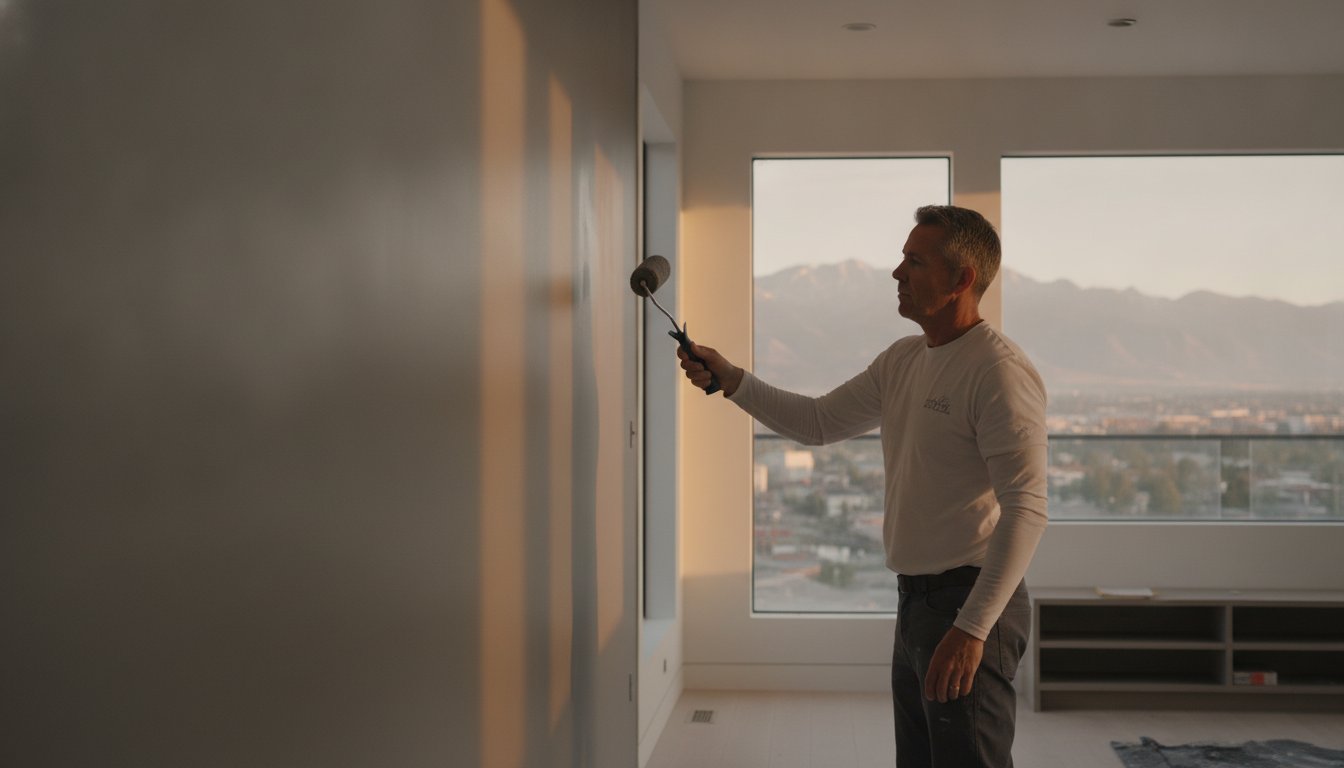
In high-end residential remodeling, painting is frequently misunderstood as a final cosmetic layer; in reality, it is a critical structural component that demands the same technical rigor as the framing or the foundation. It is a disciplined execution of chemistry and craft. Professional application serves as the final safeguard for a building's envelope, providing both aesthetic continuity and essential protection against environmental degradation.
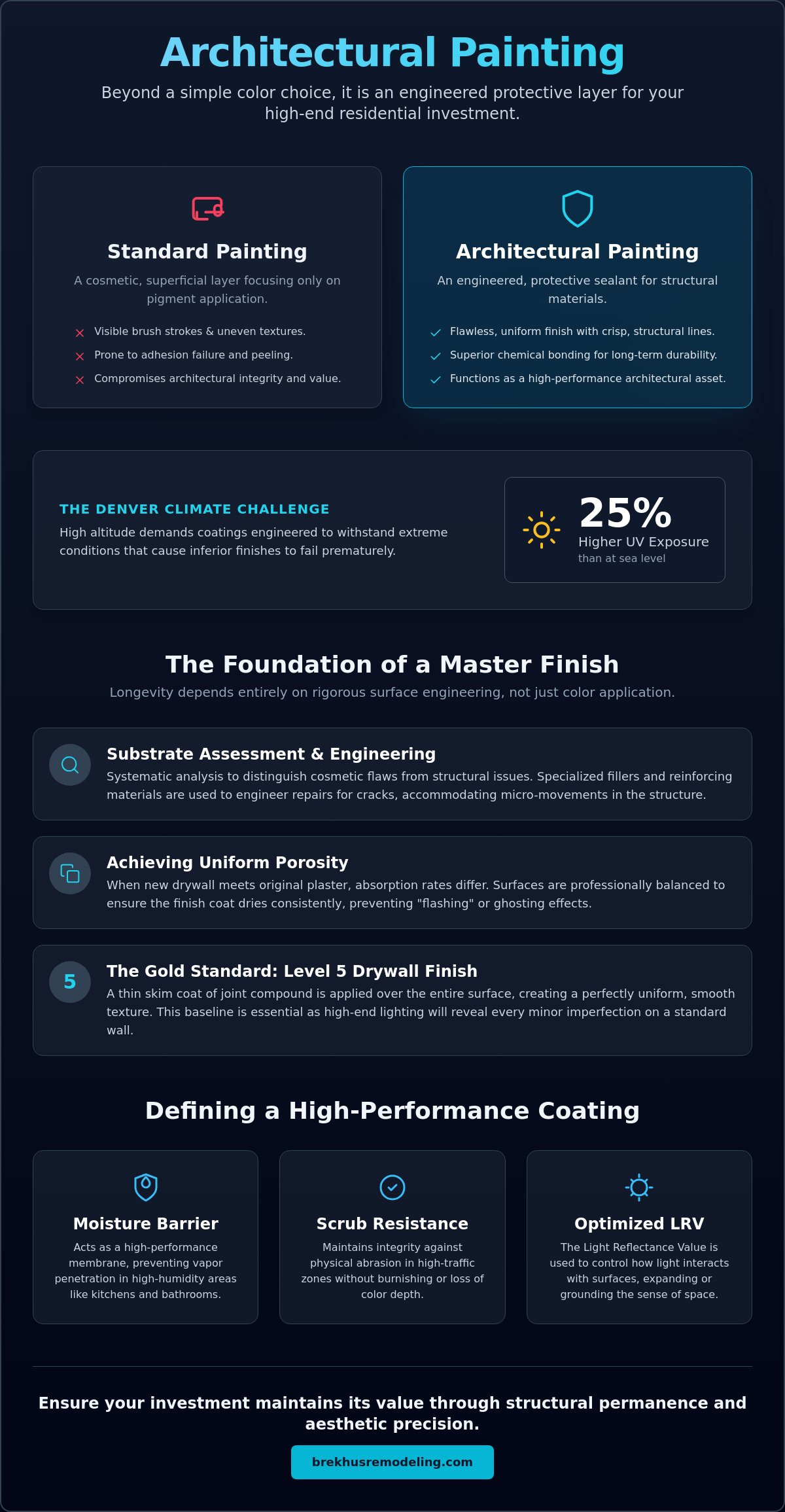
You recognize that a luxury interior is only as stable as its weakest bond. When premium stone and custom millwork are paired with finishes that exhibit visible brush strokes, uneven textures, or poor adhesion, the architectural integrity of the space is compromised. This is especially critical in the Denver climate, where UV exposure is 25 percent higher than at sea level, often leading to premature failing on inferior finishes that cannot withstand the altitude.
You will discover the technical standards required to achieve a flawless finish that provides long-term structural protection for your investment. This guide examines the methodical preparation, material selection, and rigorous application standards required to transform professional painting into a high-performance architectural asset.
Key Takeaways
- Understand the distinction between decorative color and architectural painting, which acts as a protective engineered layer for your home’s structural materials.
- Learn why mechanical bonding and precise substrate assessment are the only ways to prevent adhesion failure and visible texture issues.
- Discover the specific coatings and application methods needed to withstand Denver’s high UV exposure and extreme temperature fluctuations.
- Identify the logical construction sequence that protects custom stone and tile by integrating the finishing phase at the optimal moment.
- Recognize the technical standards necessary to ensure your residential investment maintains its value through structural permanence and aesthetic precision.
Architectural Painting: Beyond Aesthetic Color Selection
Architectural painting represents the final, engineered layer of a residential structure. It is a technical finishing discipline that bridges the gap between raw construction and refined living space. While a standard house painter and decorator might focus primarily on pigment application, an architectural specialist views the process as a protective sealant for structural materials. This includes the preservation of drywall, masonry, and wood through advanced chemical bonding. In high-end remodeling, the finish defines the interface between disparate materials. It creates the precise boundaries between cold stone, warm wood, and intricate tile. It provides the crisp, structural lines that indicate a project's technical success and long-term durability.
The Structural Purpose of Premium Finishes
Premium finishes function as a vital moisture barrier. In custom bathrooms or kitchens, high-humidity environments demand coatings that prevent vapor penetration into the substrate. These paints aren't merely decorative; they're high-performance membranes designed for longevity. Scrub-resistance is another non-negotiable requirement for high-traffic zones. A finish must maintain its integrity against physical abrasion without burnishing or loss of color depth. Additionally, the Light Reflectance Value (LRV) of a specific choice dictates the perceived volume of the architecture. It influences how light interacts with structural planes. This can expand the sense of space or ground it in shadow, depending on the architectural intent of the build.
Distinguishing High-End Work from Standard Applications
The hallmark of a master finish begins long before the first brush stroke. Luxury renovations require a Level 5 drywall finish as a baseline. This involves a thin skim coat of joint compound over the entire surface to create a perfectly uniform texture. This step is essential. High-end lighting reveals every minor imperfection on a standard wall. In open-concept remodels, the transitions must be flawless. There's no room for jagged lines where a wall meets a ceiling or where two distinct colors converge. The quality of the painting application is most visible under glancing light. Professional execution ensures a surface that remains smooth and consistent from every angle. This level of precision is what separates a temporary cosmetic fix from a permanent architectural asset. It's the difference between a house that looks new and a home that feels fundamentally solid.
The Technical Rigor of Professional Surface Preparation
Professional painting isn't merely an application of color; it's the culmination of rigorous surface engineering. While standard contractors might view preparation as a cursory cleaning, a master craftsman understands that the finish's longevity depends entirely on the mechanical and chemical state of the substrate. This process begins with a systematic assessment to distinguish between superficial cosmetic flaws and deep-seated structural issues. Identifying these differences is the only way to ensure the final finish doesn't fail within the first season, especially in the demanding Colorado environment.
Substrate Engineering and Repair
Structural integrity starts with addressing the realities of residential settling. In full home extensions, minor shifts often manifest as hairline cracks. These aren't merely covered; they're engineered. We utilize specialized fillers and reinforcing materials that accommodate micro-movements in the structure without compromising the surface. Another critical factor is achieving uniform porosity. When new drywall meets original plaster, the absorption rates differ significantly. Professional preparation involves balancing these surfaces so the finish coat dries at a consistent rate, preventing "flashing" or ghosting effects that plague lower-quality work. For high-end trim and millwork, we employ high-solids fillers that sand to a glass-like finish, ensuring that the final application looks like a factory-grade product rather than a manual repaint.
Advanced Priming and Bonding
Priming acts as the critical chemical bridge between the raw material and the finish coat. It's not a "one size fits all" step. Selecting the correct primer requires an understanding of the material's chemistry, whether it's resinous wood, galvanized metal, or porous stone. In historic Denver homes, we often encounter decades of accumulated tannins or old oil-based finishes. We utilize advanced stain-blocking technology to prevent these elements from migrating to the surface. This level of Proper Painting and Surface Preparation ensures that the investment remains pristine for years. We often conduct adhesion testing in complex environments to verify that the mechanical bond is absolute before the final coats are applied.
Execution in an occupied residence requires a disciplined approach to site management. Dust mitigation is a non-negotiable standard. We utilize HEPA-filtered extraction systems during the sanding phase to maintain indoor air quality and protect your home's HVAC system. Masking is equally precise. Every edge where the wall meets custom stone, tile, or flooring is sealed with surgical accuracy. This level of detail is a hallmark of professional full remodels where multiple high-end materials coexist. Standard painting protocols often overlook the necessity of such surgical masking, but for a luxury interior, it's the only way to protect the integrity of the surrounding finishes. The goal is a workspace that remains clean and a final product that looks as though it was part of the original architectural plan.
Interior vs. Exterior Painting: Engineering for the Denver Climate
Technical execution in painting requires a deep understanding of local atmospheric conditions. In Denver, the climate is a structural stressor that dictates material selection and application methods. High-altitude environments present unique challenges, most notably a UV exposure rate that is 25 percent higher than at sea level. This intense solar radiation accelerates the degradation of paint binders, leading to premature chalking and color failure if the coatings aren't specifically engineered for high-UV resistance. Adhering to Master Painters Institute standards ensures that every coating used meets rigorous performance benchmarks for durability and environmental resilience.
Temperature fluctuations in the Front Range are equally demanding. Rapid thermal expansion and contraction put immense pressure on the bond between the coating and the substrate. Without sufficient elasticity, finishes will crack and delaminate as the building materials shift. This is particularly true for exterior masonry and stone, which require vapor-permeable coatings. These breathable finishes allow internal moisture to escape without compromising the exterior seal, preventing the structural rot and masonry spalling often seen in lower-quality applications.
Exterior Longevity and Protection
Maintaining the integrity of home extensions requires the use of advanced elastomeric coatings. These membranes are designed to bridge minor structural gaps and move with the building. This level of protection is essential for preserving the lifespan of roofing systems and window seals. High-performance finishes act as the primary defense for custom doors and entryways, which bear the brunt of Denver's intense sun. By selecting coatings with superior solids content, we ensure a rugged barrier that maintains its aesthetic depth and structural purpose through extreme weather cycles.
Interior Environment Management
Interior finishing demands a different set of technical priorities, centered on air quality and curing physics. We prioritize low-VOC and zero-VOC requirements to ensure a healthy residential environment, a standard that is now requested in over 60 percent of interior projects. This is critical for basement finishing where airflow is naturally restricted. In Denver's low-humidity air, paint can dry too rapidly, which prevents proper leveling and can lead to visible texture issues. Managing curing timelines for premium oils and acrylics is a disciplined process. It ensures the finish achieves its full chemical hardness and scrub-resistance, providing a durable surface that complements high-end interior architecture.

Integrating Painting into Comprehensive Remodeling Projects
Professional painting is a high-stakes phase that requires strict adherence to construction sequencing. It's never a standalone task. It is the final structural seal that occurs only after the mechanical, electrical, and plumbing (MEP) systems are fully installed and inspected. This deliberate order prevents the inevitable dust and vibration of heavy construction from compromising the finish. Stone installation must also be complete. This allows the painter to create the precise, caulked transitions where walls meet premium marble or quartz backsplashes. It's a matter of architectural logic. Each trade must finish its "dirty" work before the final aesthetic and protective layer is applied. This includes the installation of windows and doors, which must be fully sealed and trimmed before the final coatings bridge the gap between the frame and the masonry.
The Finishing Sequence in Custom Kitchens
Custom kitchens represent a significant investment in cabinetry and stone. Protecting these surfaces is paramount. We employ multi-stage shielding protocols for high-end appliances and custom-milled wood. The durability of the coating around water sources and heat zones is a technical requirement. It's not an option. The precision of the cut-in line against a stone countertop defines the quality of the entire remodel. Lighting integration is another critical factor. The final color perception changes based on the Kelvin rating of the recessed LEDs. We verify the finish under the actual architectural lighting to ensure the design intent is met. This avoids the common error of color shifting once the project is illuminated. A flawless kitchen requires a finish that can withstand the rigors of daily use while maintaining its structural integrity.
Basement and Bathroom Specifics
In full bathroom remodels, the environment is hostile to standard coatings. We utilize specialized anti-microbial finishes that inhibit mold growth behind fixtures and along tile lines. This level of precision is vital around custom shower installs. For full basement finishing, the sheer volume of surface area requires a disciplined, rhythmic application. This maintains a consistent wet edge and prevents "lapping" marks on long spans of wall. The transition from the floor to the baseboard is the final architectural detail. We coordinate with the flooring installation team to ensure that the painting of trim occurs at the optimal moment for a seamless, gap-free result. This coordination ensures that the final punch-list is a formality rather than a list of failures. We inspect every surface under glancing light to identify any microscopic inconsistencies before the project is handed over. It's about structural permanence and visual perfection.
If you are planning a high-stakes renovation, contact the experts at Brekhus Remodeling to ensure every technical detail is executed with precision.
The Brekhus Standard: Master Craftsman Finishing in Denver
Brekhus Remodeling operates with a philosophy where technical excellence is the baseline, not the goal. We treat painting as the final structural seal, ensuring that every layer applied contributes to the permanence of the residential investment. This precision-driven approach eliminates the common failures of standard residential applications, such as peeling, delamination, or uneven textures. By addressing the chemistry of the bond and the physics of the environment, we remove the need for future rework. Our clients expect a finish that remains stable and visually perfect for years. We deliver that through unwavering professional rigor and a disciplined commitment to the build's integrity.
We don't view a project as a series of isolated tasks. Instead, we see it as a unified architectural assembly. This perspective is vital in Denver's high-altitude environment, where the margin for error is slim. Our commitment to structural integrity means we select materials and methods that are rugged and high-performing. Our specialists understand the interplay between light and surface. They know how a specific finish will interact with custom millwork or a new stone installation. This collective knowledge is what defines the Brekhus standard. It's a level of mastery that ensures your home isn't just remodeled, but fundamentally improved.
A Legacy of Excellence Since 2004
Since our founding in 2004, we've maintained a family-operated culture that prioritizes substance over marketing jargon. This legacy is built on the synergy between our specialized teams. Our stone and tile installers work in direct coordination with our finishing specialists. This internal alignment ensures that transitions are seamless and materials are protected. We focus exclusively on residential projects. This specialization allows us to master the specific nuances of high-end home construction and the unique requirements of Denver estates. Our approach is methodical and direct. We move from high-level planning to specific technical execution with logical precision. This thoroughness ensures that every detail, from the moisture barrier in a custom bathroom to the UV-resistant coating on an exterior entryway, is handled with the same level of seriousness.
Initiating Your Premium Remodel
Transforming a property requires more than a simple coat of paint; it requires a comprehensive vision executed with technical mastery. Our consultation process for full home renovations is designed to align your architectural goals with our engineering standards. We provide the expertise necessary to manage complex, multi-trade projects from inception to the final punch-list. Whether you are planning a custom kitchen, a full basement finishing project, or a complete home extension, our team takes full responsibility for the outcome. We invite you to coordinate your vision with our technical expertise to achieve a result that stands as a testament to quality. Contact Brekhus Remodeling today to begin the transformation of your Denver estate.
Secure Your Architectural Investment Through Precision Finishing
Achieving a high-caliber residential finish requires more than an eye for color; it demands a deep understanding of substrate engineering and environmental stressors. Professional painting serves as the final protective barrier for your home's structural integrity, especially within the demanding Denver climate. Success lies in the methodical integration of every trade, from the initial plumbing and electrical layouts to the final, precise application of high-performance coatings.
Since 2004, Brekhus Remodeling has maintained a focus on master craftsmanship in high-end residential extensions and full remodels. Our comprehensive service ensures that technical plumbing and electrical integration are seamlessly paired with the highest standards of finishing. We take full responsibility for the longevity and aesthetic accuracy of your estate. We invite you to consult with Brekhus Remodeling for your high-end Denver project and experience the difference of a disciplined, technical approach. Your vision for a refined, durable home is within reach when backed by established expertise.
Frequently Asked Questions
Why is professional painting essential for a high-end kitchen remodel?
Professional application ensures that finishes withstand the high-moisture and high-heat environment of a custom kitchen. Specialized coatings provide a scrub-resistant surface that protects your cabinetry and complements premium stone countertops. Without this technical precision, grease and steam can degrade the bond between the paint and the substrate. This leads to premature failure and visible texture issues that compromise the remodel's value.
How does Denver’s climate affect the choice of interior and exterior paint?
Denver’s altitude requires coatings with superior UV resistance to prevent rapid binder degradation and color fading. Exterior paints must also accommodate extreme thermal expansion and contraction caused by the city's variable temperatures. For interior spaces, the low-humidity air requires careful management of curing times. This ensures the finish levels correctly without leaving visible brush strokes or roller marks on the surface.
What is a Level 5 drywall finish and why is it necessary for luxury homes?
A Level 5 finish involves applying a thin skim coat of joint compound over the entire wall surface to create absolute uniformity. This step is essential in luxury homes where high-end lighting and glancing sunlight reveal even the smallest imperfections. It eliminates the difference in porosity between the paper and the joint compound. This provides a glass-like substrate for the final painting application.
Can I paint over high-end stone or tile during a renovation?
Painting over high-end stone or tile is generally discouraged as it compromises the natural aesthetic and structural value of the material. While specialized bonding primers exist for masonry, these materials are typically selected for their inherent texture and durability. We prioritize protecting these surfaces during the finishing phase. This ensures they remain a permanent focal point of the architectural design without being obscured by coatings.
How long should I wait for paint to cure before installing flooring?
You should wait at least 24 to 48 hours for the surface to become tack-free, though full chemical curing often takes up to 30 days. Installing flooring too early risks damaging the baseboards or introducing dust into the wet finish. We coordinate these schedules with precision. This ensures that the painting phase is fully stabilized before the flooring team begins their installation to protect the integrity of both surfaces.
What are the benefits of low-VOC paints in residential remodeling?
Low-VOC and zero-VOC paints significantly improve indoor air quality by reducing the emission of harmful chemicals during and after application. These modern formulations provide excellent durability and color retention without the respiratory irritants found in traditional products. This is especially beneficial in tightly sealed, energy-efficient homes where air exchange is managed through HVAC systems. It's a standard that supports both health and high-performance finishing.
How does Brekhus Remodeling coordinate painting with electrical and plumbing work?
We follow a strict construction sequence where all plumbing, electrical, and structural work is completed and inspected before the finishing begins. This prevents the dust and vibrations of mechanical installations from contaminating the wet paint. Our project managers oversee this transition to ensure that every wall penetration for lighting or fixtures is sealed and prepped. The final coatings are only applied once the site is stabilized.
Why should painting be the final step in my basement finishing project?
Painting acts as the final structural seal, protecting the newly installed systems from construction debris and providing a cohesive finish for the space. In a basement finishing project, this ensures that the walls, ceilings, and trim are finished in a clean environment. It allows for a flawless final inspection under the permanent lighting. This ensures the architectural volume is perfectly defined and the investment is fully protected.